
Stuck on Success: How to Properly Store Packaging Tape
Prevent tape snapping and adhesive failure. Learn why temperature control and edge protection are vital for your packaging tape storage and warehouse efficiency.
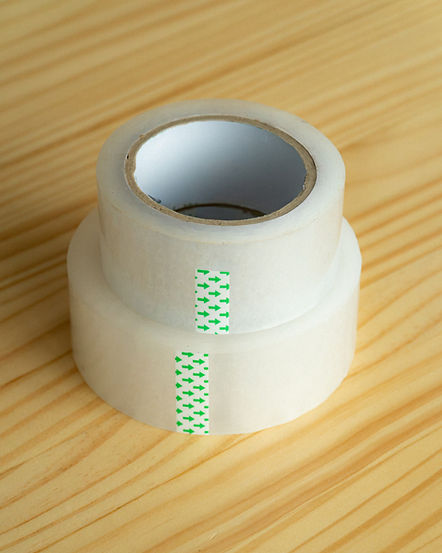
From a Capital Management perspective, tape is a "high-utility" consumable. While the cost per roll is low, the Opportunity Cost of a tape failure is massive. A roll that snaps every thirty seconds due to "edge nicks" or poor storage adds significant labor time to every single order, eroding your margins through "hidden" operational friction.
1. The Climate Factor: Tackiness vs. Glassing
Packaging tape (whether Acrylic, Hot Melt, or Solvent) is a chemical product. It reacts to its environment long before it touches a box.
The Temperature "Sweet Spot": Ideally, store tape at 15°C to 23°C.
Cold Weather: Causes "glassing," where the adhesive hardens and loses its "grab."
Hot Weather: Causes the adhesive to become "gooey," leading to "ooze" from the sides of the roll.
Humidity: High humidity can soften the cardboard core, causing the tape roll to lose its shape and jam in your tape gun.
Dust Control: Keep tape in its original plastic sleeves or sealed clable storage boxes. Dust that settles on the side of a roll creates a "dry spot" on the edge, which is the #1 cause of the tape snapping mid-pull.
2. Strategic Placement: The "Golden Zone"
Tape is a "Front of House" (FoH) essential.
At the Bench: Keep only 2–3 active rolls per packing station.
Back of House (BoH): Bulk cartons should be stored in a climate-controlled area, away from exterior walls which can fluctuate in temperature. Never store tape near "heat-syncs" like motors, heaters, or charging stations for forklifts.
3. Orientation & Stacking: Preventing the "Telescope"
The way you physically position a roll of tape determines its mechanical lifespan.
Store Flat, Not on Edge: Always store tape rolls flat on their circular sides. Storing them "rolling style" on their edges can lead to "flat spots" or "edge nicks" that cause the tape to tear unevenly.
Stacking Heights: Do not stack more than 5–7 rolls high without a divider. The cumulative weight of a tall stack can cause the bottom rolls to "telescope"—where the inner core is pushed out of the center, making the roll unusable in a standard dispenser.
The "Core" Rule: Ensure the inner cardboard cores remain perfectly circular. A warped core creates uneven tension, leading to inconsistent sealing.
4. Organizational Tools: The Dispenser Strategy
Tape Guns/Dispensers: When not in use, tape guns should be hung on hooks or placed in dedicated holsters. Leaving a tape gun on its side on a dusty bench ruins the "leading edge" of the tape.
Clable Collapsible Storage Boxes: Use these to keep different tape types (e.g., "Fragile" printed tape vs. standard clear tape) separated and organized. These boxes protect the sides of the rolls from the "nicks" that happen in messy, mixed-item drawers.
Masterclass Summary: The Tape Integrity Audit
The Financial Goal: Eliminate "Labor Leakage" caused by tape snapping and dispenser jams.
The Physical Rule: Protect the edges. A 1mm nick on the edge of a roll causes a 100% failure rate during application.
The Workflow Rule: Use FIFO (First-In, First-Out). Adhesives on tape generally peak in performance within 12 months of manufacture.
The Beneficiary: The Warehouse Team, who can pack with a continuous, "frustration-free" flow.
At CL Packaging, we help businesses across Singapore choose packaging that is strong, reliable, and thoughtfully made. The right mix of carton boxes, OPP tape, bubble wrap, and cling wrap brings structure to logistics — keeping your items protected and the process more predictable.
Explore our range of professional-grade packing materials for a steadier foundation.



Comments